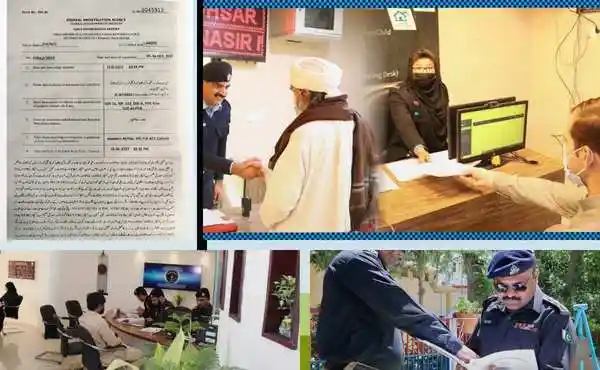


Criminal Appeal in Pakistan: Direct Answer
A criminal appeal challenges a conviction, sentence or other appealable criminal order before the court authorized by law to review it. Under the Code of Criminal Procedure, the route can be to the Court of Session or the High Court depending on the court that passed the conviction, while Supreme Court jurisdiction is governed by Article 185 of the Constitution and other applicable law. Special criminal statutes may create different appellate routes.
Criminal Appeal Law and Appellate Forums in Pakistan
The Code of Criminal Procedure, 1898 contains the general appellate framework for ordinary criminal cases. Section 408 deals with specified appeals from convictions by Assistant Sessions Judges and Magistrates, while section 410 provides for appeals from convictions by a Sessions Judge or Additional Sessions Judge to the High Court. The exact route must still be checked against the offence, sentencing court and any special statute governing the case.
Court of Session Appeals
Some convictions originating before Magistrates or other specified trial courts are appealable to the competent Court of Session under the general criminal procedure framework.
High Court Criminal Appeals
Convictions by a Sessions Judge or Additional Sessions Judge ordinarily carry an appellate route to the High Court, subject to the applicable law and case type.
Supreme Court Matters
Article 185 of the Constitution governs Supreme Court appellate jurisdiction from High Court judgments, orders and sentences. Whether an appeal lies as of right or requires leave is case-specific.
Special Criminal Statutes
Anti-terrorism, accountability, cybercrime and other special regimes may contain their own appellate provisions, limitation periods or forum requirements.
Grounds for a Criminal Appeal
Section 418 of the Code of Criminal Procedure recognizes that an appeal may involve questions of fact as well as law. Effective grounds should therefore be tied to the actual judgment and record rather than generic statements.
Misreading or Non-Reading of Evidence
The judgment may be challenged where material evidence was misunderstood, ignored, taken out of context or assessed inconsistently with the record.
Legal Error
An appeal may raise incorrect application of substantive law, evidentiary rules, burden of proof or other legal standards relevant to conviction or sentence.
Procedural Irregularity
Material defects affecting jurisdiction, fairness, charge, evidence, hearing rights or trial procedure may form part of an appellate challenge where legally relevant.
Sentence Challenge
The sentence may itself require review where the applicable law, mitigating circumstances or sentencing approach provides a sustainable appellate ground.
Why the Trial Record Matters in a Criminal Appeal
Criminal appeals are record-driven. The appellate court considers the judgment together with the evidence, exhibits, procedural orders and arguments preserved during the trial. A strong appeal therefore begins with a disciplined comparison between what the judgment says and what the record actually establishes.
- Read the judgment finding-by-finding instead of relying only on the final result
- Match each challenged finding with the evidence or procedural record
- Identify contradictions, omissions and legally material inconsistencies
- Separate strong appeal grounds from weak or repetitive arguments
- Check whether an alternative remedy is more appropriate for a particular order
Criminal Appeal Process in Pakistan
1. Obtain the Judgment and Record
Collect the judgment, relevant trial orders, evidence, exhibits, bail history and the documents needed to assess the conviction or challenged order.
2. Identify the Correct Forum
Determine whether the remedy lies before the Court of Session, High Court, Supreme Court or a special appellate forum under the governing statute.
3. Check Limitation Immediately
Review judgment date, certified-copy dates and any special statutory timeline before drafting so the appeal is not exposed to avoidable limitation problems.
4. Draft Focused Grounds
Prepare clear grounds tied to the judgment, law, evidence and procedural history rather than repeating the trial case in general terms.
5. File Supporting Applications
Where legally available and necessary, consider applications relating to suspension of sentence, release pending appeal or other interim relief.
6. Prepare for Appellate Hearing
Organize the record, strongest authorities and relief sought so the appellate argument remains focused on outcome-determinative issues.
What Can an Appellate Court Do?
Section 423 of the Code of Criminal Procedure gives appellate courts substantial powers when deciding criminal appeals. In an appeal from conviction, the court may in appropriate circumstances reverse the finding and sentence, acquit or discharge the accused, order retrial, alter the finding, reduce the sentence or alter the nature of the sentence within the limits of law.
Acquittal or Discharge
A conviction may be set aside where the appellate court concludes that the record and law justify that result.
Retrial or Further Proceedings
In an appropriate case, the appellate court may direct retrial or further proceedings rather than finally disposing of the case on the existing posture.
Sentence Reduction or Modification
Where legally justified, an appellate court may reduce or otherwise lawfully modify the sentence.
Conviction Maintained
If no sufficient ground for interference is established, the appellate court may dismiss the appeal and maintain the challenged judgment or order.
Suspension of Sentence and Bail During Appeal
Filing an appeal does not automatically mean release from custody. Depending on the offence, sentence, forum and governing statute, a separate application for suspension of sentence or release pending appeal may need to be prepared. The appeal record, length and nature of sentence, arguable grounds, procedural history and any special-law restrictions can materially affect this strategy.
For connected pre-trial or post-arrest issues, review our Criminal Bail in Pakistan service.
Criminal Appeal vs Criminal Revision
Appeal and revision are not interchangeable. An appeal exists where the law provides a right of appeal and generally allows the appellate court to consider the case within that statutory scope. Revision is a supervisory jurisdiction commonly used to correct jurisdictional, legal, procedural or material irregularity where the revisional route is available.
If the challenged order may not be appealable, see our Criminal Revision in Pakistan page before choosing the remedy.
Supreme Court Criminal Appeals and Leave to Appeal
A High Court decision does not automatically mean that every criminal matter proceeds to the Supreme Court in the same way. Article 185 of the Constitution sets out the Supreme Court's appellate jurisdiction and distinguishes cases where an appeal lies under the Constitution from matters in which leave to appeal may be required.
Criminal Appeal Support for Overseas Pakistanis and Foreign Clients
A criminal judgment in Pakistan can create serious practical issues for a person living abroad, including travel planning, family coordination, document collection and representation before the relevant court. A.A. Dewan & Co. can review judgments and available records electronically and coordinate the appellate strategy for overseas Pakistanis and foreign clients whose criminal matter is within Pakistan's jurisdiction.
Court attendance, authorization documents and procedural requirements depend on the individual matter, so these should be confirmed before travel or filing decisions are made.
Documents to Share for Criminal Appeal Review
Core Court Record
- Judgment or order being challenged
- Charge and relevant trial orders
- Witness evidence and exhibits where available
- Statement of accused and defence material where relevant
- Previous bail or interim orders
Practical Appeal Information
- Date of judgment and certified-copy application details
- Current custody or sentence position
- Trial court and case number
- Any previously filed appeal, revision or petition
- Urgent travel, custody or overseas-client considerations
Appeals in Special Criminal and White-Collar Cases
Not every criminal appeal follows only the ordinary Code of Criminal Procedure route. Accountability, anti-terrorism, cybercrime, money-laundering and other special laws may specify their own appellate forum, filing period or procedural conditions. The governing statute should therefore be identified before the appeal is drafted.
Related services include Anti-Corruption Defense, Money Laundering Defense, and Cyber Crime Legal Services.
Criminal Appeal Lawyer Fee and Timeline in Pakistan
There is no single fee or completion time that applies to every criminal appeal. Professional fees can depend on record volume, forum, complexity, urgency, custody position, number of connected applications and whether the matter proceeds beyond the first appellate court.
Court timing can also vary with record transmission, notice, roster, case category and the workload of the relevant forum. For that reason, fixed “guaranteed” appeal timelines should be treated cautiously.
Why Choose A.A. Dewan & Co. for Criminal Appeals
Judgment-First Review
We begin with the challenged judgment and map each proposed ground to the actual trial record.
Correct Remedy and Forum
Appeal, revision, suspension-of-sentence applications and higher-court remedies are assessed as separate procedural questions.
Connected Criminal-Law Support
Trial, bail, appeal, revision and special criminal matters can be reviewed as one litigation sequence rather than disconnected filings.
Overseas Client Coordination
Judgments and records can be reviewed for overseas Pakistanis and foreign clients before procedural or travel decisions are made.
Frequently Asked Questions About Criminal Appeals in Pakistan
What is a criminal appeal in Pakistan?
A criminal appeal is a statutory remedy through which a conviction, sentence or other appealable criminal order is challenged before the competent appellate court. The correct forum and scope depend on the court that passed the order and any special law governing the case.
Which court hears a criminal appeal in Pakistan?
The appellate forum depends on the court of first instance and the applicable law. Under the Code of Criminal Procedure, some convictions are appealed to the Court of Session while convictions by a Sessions Judge or Additional Sessions Judge ordinarily go to the High Court. Special statutes may provide a different route.
Can a criminal appeal be filed in the Supreme Court of Pakistan?
Supreme Court jurisdiction is governed by Article 185 of the Constitution and other applicable law. Some matters may reach the Supreme Court as an appeal of right, while others require leave to appeal. The route must be checked against the High Court judgment and the governing statute.
Can a criminal appeal result in acquittal or reduction of sentence?
Yes, depending on the record and law. An appellate court may in appropriate cases set aside a conviction, acquit or discharge the accused, order retrial, alter findings, reduce or modify the sentence, or pass another lawful order.
Can sentence be suspended while a criminal appeal is pending?
In appropriate cases a separate application for suspension of sentence or release pending appeal may be available. The result depends on the offence, sentence, case record, procedural history and applicable statutory framework.
What documents are needed for a criminal appeal?
The review commonly starts with the judgment or order, FIR or complaint where relevant, charge, evidence and witness record, exhibits, previous bail orders, trial applications and orders, and certified copies or other documents required by the appellate forum.
What is the difference between a criminal appeal and criminal revision?
An appeal is a statutory remedy with the scope given by the relevant law, while revision is a supervisory remedy commonly directed to jurisdictional, legal, procedural or material irregularity. The correct route depends on whether an appeal is available and the nature of the challenged order.
Is there a time limit for filing a criminal appeal?
Yes. Limitation can affect maintainability, but the applicable period varies with the forum, type of order and governing law. The judgment date, copy-application dates and any special statutory period should be checked immediately.
Can an overseas Pakistani or foreign client instruct a criminal appeal lawyer in Pakistan?
Yes. Overseas Pakistanis and foreign clients with criminal proceedings in Pakistan can obtain case review and appellate representation, subject to the court record, authorization requirements, physical-appearance directions and other procedural requirements of the relevant forum.
When should I contact a lawyer after conviction or an adverse criminal order?
As early as possible. Prompt review helps preserve limitation, obtain the correct record, assess suspension-of-sentence or bail options, identify the proper appellate forum and avoid filing the wrong remedy.
Get a Criminal Appeal Case Review
Share the judgment, conviction or order date, trial court, custody position and available record. We can review the appellate forum, limitation position, possible grounds and any connected suspension-of-sentence or revision issue.