

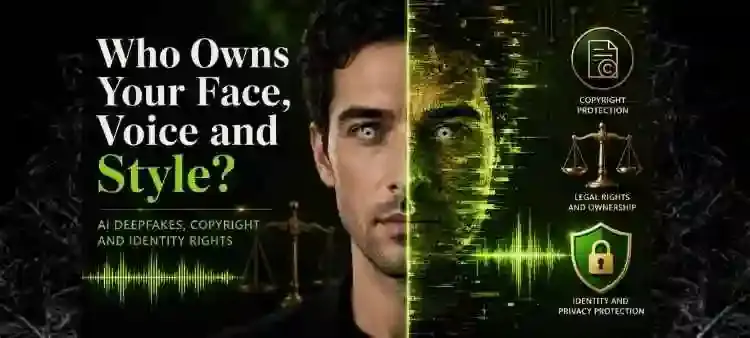
Can Someone Copy Your Face, Voice or Style?
Imagine seeing a fake video of yourself online.
Or hearing your own voice used in a scam call.
Or finding that AI has copied your creative style for profit.
This is the real legal problem behind deepfakes.
A deepfake is not always illegal. It may be used in movies, education, comedy, accessibility, or creative editing.
However, the issue becomes serious when someone uses another person’s identity without permission.
This misuse may involve:
- Your face in a fake video
- Your voice in cloned audio
- Your name or image in false content
- Your creative style in AI-generated work
- Your identity for profit, fraud, or deception
That is where AI deepfake law becomes important.
The main question is simple:
Who owns your digital identity?
The answer depends on the type of misuse.
For example:
Copyright law may protect your original photos, videos, songs, scripts, or artwork.
Privacy law may protect your personal information from misuse.
Defamation law may help if fake content damages your reputation.
Personality rights may protect your name, image, voice, and likeness from unauthorized commercial use.
The problem is that laws are still trying to catch up.
AI tools are moving faster than courts, lawmakers, and regulators.
As a result, deepfakes have created a growing legal battle for celebrities, influencers, businesses, lawyers, journalists, students, and ordinary people.
What Is a Deepfake?
A deepfake is fake or edited media created with the help of artificial intelligence. It can look or sound real, even though it is not real. For example, AI can create a video where a person appears to say something they never said. It can also clone someone’s voice and make it sound like they are speaking live.
- Fake videos
- AI-generated photos
- Voice cloning
- Face swapping
- Fake celebrity songs
- AI-generated interviews
- Fake political speeches
- Edited intimate images
- Scam calls using cloned voices
The danger is not only that deepfakes are fake. The bigger danger is that they can look believable. When people cannot easily tell what is real and what is fake, trust becomes weak. This affects families, courts, elections, businesses, media, and public safety.
Why AI Deepfake Law Matters Today
AI deepfake law matters because a person’s identity has value. Your face, voice, name, and reputation are not random things. They are part of who you are. If someone uses them without consent, the harm can be emotional, financial, professional, and social.
For example, imagine a fake video showing a business owner making a racist statement. Even if the video is false, the damage may happen before the truth comes out. Customers may leave. Friends may doubt the person. The person may lose work. The fake content may spread faster than the correction.
Now imagine a cloned voice used to trick a parent into sending money. The parent hears what sounds like their child asking for urgent help. In panic, they transfer money. Later, they discover that the voice was fake.
These examples show why this issue is no longer only about celebrities. Deepfakes can target anyone with photos, videos, or voice clips online.
Is a Deepfake Always Illegal?
No, a deepfake is not always illegal. Context matters.
A deepfake may be legal when it is clearly labelled, harmless, educational, or used with consent. For example, a film studio may use AI to de-age an actor with permission. A teacher may use synthetic media to explain history. A comedian may create parody, depending on local law and whether viewers can understand it is not real.
However, a deepfake can become illegal when it involves fraud, harassment, defamation, privacy invasion, identity misuse, non-consensual intimate content, political deception, or commercial exploitation.
The legal test usually depends on questions like:
- Did the person give consent?
- Was the content clearly labelled as AI-generated?
- Was it used to make money?
- Did it damage someone’s reputation?
- Did it mislead the public?
- Did it involve private or intimate material?
- Was it used for fraud or blackmail?
- Did it copy a protected work?
So, the same technology can be legal in one situation and illegal in another.
Copyright Law and AI Deepfakes
Copyright issues become more complicated when AI tools create or modify content, especially in cases involving AI-generated works and copyright protection.
This is the main reason AI deepfake law becomes complicated.
For example, a photograph, video, song, film, book, drawing, script, software, or sound recording may be protected by copyright. However, a person’s natural face, normal voice, or general creative style is usually not protected in the same way.
What Copyright Law Can Protect
Copyright may apply when a deepfake uses protected creative material, such as:
- Photographs
- Videos
- Music
- Films
- Books or scripts
- Sound recordings
- Digital artwork
- Software or code
For example, if someone copies a photographer’s portrait and uses it to create an AI deepfake, copyright questions may arise.
The copyright may belong to the photographer, company, studio, or person who legally owns that image.
What Copyright Law May Not Protect
Copyright usually does not protect:
- A person’s face by itself
- A natural speaking voice
- A general idea
- A broad creative style
- Personal reputation
- Identity by itself
This means your face may be misused in a deepfake, but copyright law alone may not always solve the problem.
Step-by-Step Legal Question
To understand whether copyright law applies, ask these simple questions:
Step 1: Was any original photo, video, song, artwork, or recording copied?
Step 2: Who owns that original work?
Step 3: Was permission taken before using it?
Step 4: Does the AI deepfake look or sound too similar to the original work?
Step 5: Did the content also misuse someone’s identity, face, voice, or reputation?
If protected material was copied, copyright law may apply.
But if the deepfake only copies a person’s face, voice, or style without copying one exact copyrighted work, other legal claims may be stronger.
These may include privacy law, personality rights, right of publicity, defamation, cybercrime law, fraud law, consumer protection law, or platform takedown rules.
Key Point
Copyright protects creative work.
It does not always fully protect a person’s face, voice, identity, or reputation.
That is why AI deepfake law is not only about copyright. It also involves consent, privacy, personality rights, fraud, and digital identity protection.
Can You Copyright Your Face or Voice?
In simple words, your face and voice are usually not protected by copyright in the same way as a song, film, book, or photograph.
Copyright protects creative expression.
Your natural face and natural voice are part of your identity. They are not normally treated as creative work that you personally “authored.â€
What Copyright May Not Protect
Copyright usually does not protect:
- Your natural face
- Your normal speaking voice
- Your personal identity
- Your reputation
- Your general appearance
- Your broad creative style
This means someone may misuse your face or voice in a deepfake, but copyright law alone may not always be the strongest claim.
Other Legal Rights May Protect You
Even if copyright does not fully protect your face or voice, other laws may help.
For example:
- Personality rights may stop someone from using your image or voice in advertising without permission.
- Privacy law may apply if your personal data, photo, or voice sample is misused.
- Defamation law may apply if a fake video damages your reputation.
- Fraud law may apply if your cloned voice is used to cheat someone.
- Cybercrime law may apply if the deepfake is used for harassment, blackmail, or impersonation.
Simple Example
If someone copies your original podcast recording, copyright law may apply to that recording.
But if someone uses AI to clone your voice and create a new fake audio message, the issue may be wider.
It may involve consent, fraud, impersonation, privacy, and reputation damage.
Key Point
You may not always copyright your face or voice.
However, that does not mean anyone can freely use them.
The legal protection of your face and voice depends on how they were used, what harm was caused, and which country’s law applies.
Personality Rights and Right of Publicity
Personality rights protect a person’s identity from unauthorized commercial use. In some legal systems, this is called the right of publicity. These rights can cover name, image, likeness, voice, signature, and sometimes other recognizable features.
For celebrities, this is a major issue. Their face and voice have commercial value. If an AI tool creates an ad using a famous actor’s voice without permission, the actor may argue that their identity has been commercially exploited.
However, ordinary people can also be harmed. A fake endorsement, fake dating profile, fake job video, or fake political message can damage a normal person’s life. As AI tools become cheaper and easier to use, personality rights may become important for everyone, not only famous people.
AI Voice Cloning and Consent
Voice cloning is one of the fastest-growing deepfake risks. AI can now copy a voice from a short audio sample. That sample may come from a YouTube video, podcast, voice note, interview, lecture, or social media clip.
This creates serious legal questions. Can a company clone a voice for customer service without consent? Can a musician copy another singer’s voice? Can scammers use a family member’s voice to demand money? Can a political group use a leader’s cloned voice in a campaign video?
The safest legal answer is simple: do not use someone’s voice without clear permission.
Consent should be written, specific, and limited. It should explain where the voice will be used, for how long, for what purpose, and whether AI training or future reuse is allowed.
AI-Generated Content and Ownership
Many people ask: who owns AI-generated content?
The answer depends on human involvement. If a person only writes a simple prompt and the AI creates everything, copyright protection may be weak in some countries. If a person adds real creative input, editing, arrangement, selection, or original expression, then the human-created parts may be protectable.
For businesses, this matters a lot. A company using AI for ads, logos, videos, legal blogs, music, or product images should not assume that every AI output is fully ownable. Contracts, licences, platform terms, and human contribution should be checked carefully.
This is where AI deepfake law connects with business risk. Companies need clear records showing who created the content, what tools were used, what data was used, and whether any person’s face, voice, or style was copied.
Deepfakes, Defamation and Reputation Damage
Defamation means making a false statement that damages someone’s reputation. A deepfake can become defamatory if it makes people believe a person said or did something harmful, shameful, criminal, or offensive.
For example, a fake video showing a lawyer taking a bribe could destroy trust. A fake audio clip of a teacher insulting students could damage a career. A fake image of a politician making a hateful gesture could mislead voters.
Even if the content is removed later, screenshots and reposts may continue. That is why speed matters. Victims should collect evidence quickly, report the content to the platform, and seek legal advice if the damage is serious.
Deepfake Privacy Violations
Privacy law may apply when deepfakes involve personal images, private information, intimate material, or misuse of personal data. Non-consensual intimate deepfakes are especially harmful because they attack dignity, safety, and mental health.
Many countries are now taking this issue more seriously. Some laws focus on removing harmful content quickly. Others create criminal penalties for people who create or share abusive deepfakes. Platforms may also have duties to remove illegal or harmful material after notice.
Still, victims often face a hard reality. The internet spreads faster than legal notices. Therefore, prevention, fast reporting, digital evidence, and stronger platform enforcement are all important.
Deepfakes in Politics and Elections
Deepfakes can also affect democracy. A fake video or audio clip released before an election can mislead voters. Even if it is later proven false, the damage may already be done.
Political deepfakes can create confusion about speeches, policies, scandals, or public safety events. In some cases, fake media may be used to discourage voting, create anger, or damage trust in institutions.
This is why transparency labels are becoming important. If content is AI-generated, viewers should know. People should not have to guess whether a political message is real or synthetic.
Deepfakes in Business and Advertising
Businesses face deepfake risks from two sides. First, they may be victims. A fake CEO voice can be used in payment scams. A fake brand video can mislead customers. A fake product endorsement can damage trust.
Second, businesses may become liable if they use AI carelessly. For example, using a celebrity-like voice in an ad without permission may create legal risk. Creating AI models based on customer photos without proper consent can also create privacy problems.
A smart business should create an AI policy before using deepfake technology. The policy should cover consent, copyright checks, data use, labelling, approval steps, and takedown procedures.
How Creators Can Protect Their Face, Voice and Style
Creators should not panic, but they should be realistic. If your face, voice, or creative style is online, it can be copied. That does not mean you should stop creating. It means you should protect yourself better.
Here are practical steps:
- Keep records of original work.
- Add watermarks where suitable.
- Use contracts for brand deals.
- Clearly state that your voice and likeness cannot be used without permission.
- Monitor fake accounts.
- Report impersonation quickly.
- Save screenshots, URLs, dates, and account names as evidence.
- Register copyright where possible.
- Use written licences when allowing AI use.
- Avoid uploading sensitive personal media to unknown apps.
These steps do not stop every abuse. However, they make it easier to prove ownership, misuse, and damage.
What Should You Do If Someone Makes Your Deepfake?
If someone creates your deepfake, do not only reply emotionally in comments. That may increase reach. Instead, act carefully.
First, save evidence. Take screenshots. Record the page link. Note the date and time. If possible, use screen recording. Second, report the content to the platform. Most major platforms have rules against impersonation, non-consensual intimate content, fraud, and harassment. Third, send a takedown request if copyright or platform policy applies. Fourth, contact a lawyer if the content damages your reputation, business, privacy, or safety.
If the deepfake involves threats, blackmail, sexual content, minors, financial fraud, or identity theft, it may need urgent legal action.
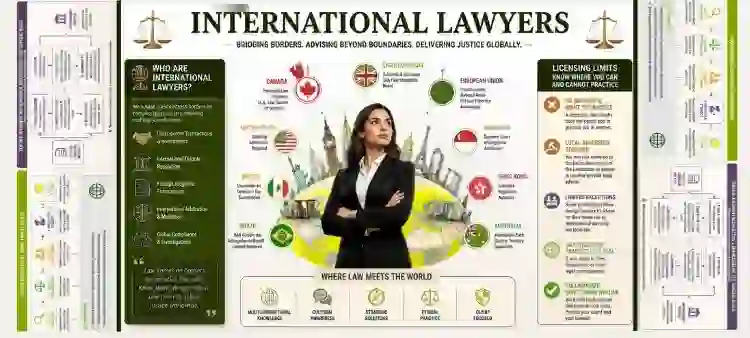
International Legal Direction
The world is moving toward stronger rules on AI-generated content. Some laws focus on labelling deepfakes. Some focus on criminalizing harmful uses. Some focus on copyright and AI training data. Others focus on privacy, platform responsibility, and consumer protection.
The European Union is pushing transparency duties under the AI Act. The United States has seen growing debate around voice cloning, synthetic media, publicity rights, and non-consensual intimate deepfakes. Other countries are also studying how to regulate AI without killing innovation.
The challenge is balance. Too little regulation allows abuse. Too much regulation may hurt creativity, satire, research, and free speech. Good AI deepfake law should protect victims while still allowing fair, clearly labelled, and responsible uses of AI.
Simple Legal Checklist Before Using AI Deepfakes
Before creating or publishing AI-generated media involving a real person, ask these questions:
- Do I have clear permission?
- Am I using someone’s face, voice, name, or style?
- Could people believe this is real?
- Is the content clearly labelled as AI-generated?
- Am I using it for money, advertising, politics, or influence?
- Could it harm someone’s reputation?
- Does it include private or intimate material?
- Did I copy a protected photo, song, video, or script?
- Do platform rules allow this?
- Would I be comfortable if someone used my face the same way?
If the answer creates doubt, stop and check the law before publishing.
Future of AI Deepfake Law
The future will not be simple. AI will become more realistic. Detection tools will improve, but fake content will also improve. Courts will hear more cases about voice, likeness, copyright, training data, and platform liability.
For now, one principle is becoming clear: consent matters.
If someone wants to use your face, voice, or identity, they should ask. If a company wants to profit from your likeness, it should get permission. If a platform hosts harmful deepfakes, it may face pressure to remove them faster. If a creator uses AI responsibly, they should label content honestly.
AI deepfake law is not just about technology. It is about dignity, trust, ownership, and truth.
Final Thoughts
Deepfakes are powerful because they attack the line between real and fake. They can entertain, educate, and create new art. However, they can also destroy reputations, steal identities, mislead voters, scam families, and harm private lives.
The law is still developing, but the safest rule is simple: do not copy a real person’s face, voice, or identity without consent.
In the coming years, every creator, business, influencer, journalist, teacher, and ordinary internet user will need to understand this issue. Your digital identity is becoming part of your legal identity. Protecting it is no longer optional.
FAQs About AI Deepfakes and Copyright Law
1. Can someone legally use my face in an AI video?
It depends on consent, purpose, local law, and harm. If your face is used for fraud, advertising, harassment, defamation, or intimate content without permission, legal action may be possible.
2. Is AI voice cloning illegal?
AI voice cloning is not always illegal, but using someone’s cloned voice without permission can create legal risk. It may involve fraud, privacy violation, personality rights, or consumer protection issues.
3. Can AI-generated content be copyrighted?
AI-generated content may face copyright limits if there is no meaningful human creativity. Human-created parts, edits, selection, and arrangement may receive protection depending on the law.
4. Can I sue someone for making my deepfake?
You may be able to sue if the deepfake causes legal harm, such as defamation, privacy violation, harassment, commercial misuse, or financial loss. The exact claim depends on your country’s laws.
5. What is the difference between copyright and personality rights?
Copyright protects original creative works. Personality rights protect identity, such as name, image, voice, and likeness. A deepfake may involve both, but they are not the same thing.
6. Are parody deepfakes allowed?
Sometimes parody may be allowed, especially if it is clearly not real and does not cause illegal harm. However, parody is not a free pass for fraud, harassment, private abuse, or commercial misuse.
7. How can I protect myself from deepfakes?
Limit sensitive media online, monitor fake accounts, keep proof of original content, use written contracts, report impersonation quickly, and get legal advice if the content causes serious harm.
Comment Question
If AI copies your voice so perfectly that even your family cannot tell the difference, should the law treat it as free speech, identity theft, or digital kidnapping?
Disclaimer
This article is for general informational and educational purposes only.
It does not provide legal advice and should not be treated as a substitute for professional legal consultation.
AI deepfake law, copyright law, privacy law, personality rights, cybercrime rules, and defamation laws may differ from country to country.
If you are facing a real deepfake, voice cloning, identity misuse, copyright, privacy, or reputation-related issue, you should consult a qualified lawyer in your jurisdiction before taking legal action.
The information in this article is based on general legal principles and current public understanding of AI-related legal issues. Laws and regulations may change over time.
Comments
No comments yet. Be the first to comment!
Leave a Comment