

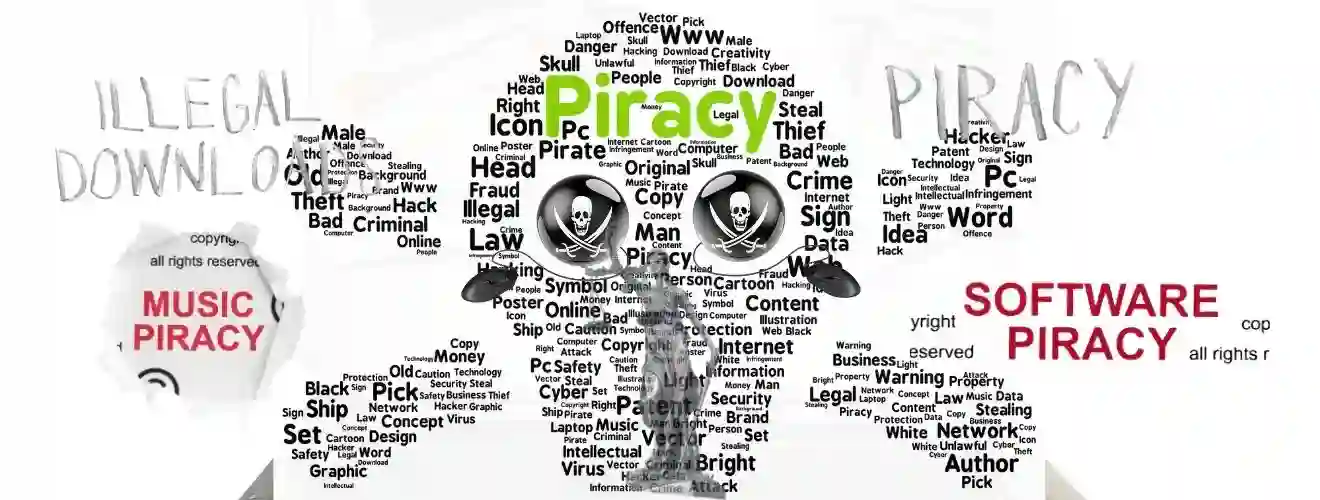
Role of Copyright Law and PECA 2016 in Online Piracy
In Pakistan, the phrase free download is searched every day for movies, dramas, songs, software, games, e-books, paid courses, APK files and streaming links. Many users think that downloading or watching pirated content online is harmless because everyone does it. But legally, the issue is much bigger than entertainment. Digital piracy is not just a shortcut, it can become copyright infringement, digital theft, and a serious challenge for Pakistan's creative economy.
Digital piracy law in Pakistan is becoming more important because the internet has changed the way people consume content. Earlier, piracy mostly meant copied CDs, DVDs and books. Today, piracy happens through torrent websites, illegal streaming platforms, Telegram channels, cracked software, pirated APKs, Google search results, social media pages and cloud links. The law is now facing a modern question: Is a free download really free, or is it digital theft?
What Is Digital Piracy?
Digital piracy means using, copying, sharing, selling, streaming or distributing copyrighted content without permission from the copyright owner. This may include:
- Downloading pirated movies, dramas or web series
- Watching illegal streaming websites
- Using cracked software or pirated apps
- Sharing paid PDFs, books or notes without permission
- Uploading songs, films or lectures without authorization
- Selling copied software, games or media files
- Sharing premium courses or subscription content for free
In simple words, if someone uses another person's creative work without permission and outside legal exceptions, it may become copyright infringement.
Copyright Law in Pakistan
The main law dealing with copyright in Pakistan is the Copyright Ordinance, 1962. It protects different types of creative works, including literary works, artistic works, musical works, cinematographic works, sound recordings and computer programs. Pakistan Code also lists the Copyright Ordinance, 1962 as part of the official legal framework.
Under Section 56 of the Copyright Ordinance, copyright may be infringed when a person, without the copyright owner's consent or licence, does something that belongs exclusively to the copyright owner. The law also covers selling, hiring, displaying for trade, distributing for trade, publicly exhibiting, or importing infringing copies into Pakistan.
This means digital piracy is not limited to the person who uploads pirated content. A person who distributes, sells, promotes or profits from pirated copies may also face legal consequences.
Is Downloading Pirated Content Illegal in Pakistan?
In many cases, yes. Downloading or sharing pirated content can create legal risk if the content is protected by copyright and the user does not have permission or a valid legal defence.
For example, these acts may raise copyright issues:
- Downloading a pirated movie from a torrent website
- Watching paid content on an illegal streaming site
- Installing cracked software
- Sharing a paid book PDF in WhatsApp or Telegram groups
- Uploading someone's lecture, film, music or course online
- Selling copied software or pirated media files
Many people argue that piracy is common because subscriptions are expensive or legal platforms are limited. However, affordability does not automatically make piracy legal. The law protects creators, producers, writers, artists, developers, publishers and businesses from unauthorized use of their work.
Free Download vs Digital Theft
The phrase ‘free download’ looks harmless, but legally it can hide a serious issue. When a person downloads pirated software, watches illegal streaming content, or shares copyrighted material without permission, the original creator may lose income, control and recognition.
This is why piracy is often called digital theft. The user may not physically steal a DVD or book, but they may still take economic value from the copyright owner. In the digital age, copying is easy, but that does not mean every copy is lawful.
For example, if a filmmaker spends millions producing a movie and the film is leaked online, thousands of free downloads can reduce cinema revenue, streaming revenue and future investment. Similarly, if a software developer's product is cracked and shared for free, the developer loses sales and the user may also expose their device to malware.
Penalties for Copyright Infringement in Pakistan
The Copyright Ordinance includes criminal penalties for certain copyright violations. Section 66 says that a person who knowingly infringes or abets infringement of copyright, rental rights in cinematographic works and computer programs, or rights of performers or producers of sound recordings may face imprisonment up to three years, fine up to one hundred thousand rupees, or both.
The Ordinance also contains specific penalties for unauthorized reproduction or distribution of counterfeit copies of sound recordings and cinematographic works, especially when done for business, profit or gain.
This shows that copyright infringement is not only a civil matter. In serious cases, it can also become a criminal issue.
What About Fair Use or Educational Use?
A common misunderstanding is that every educational or personal use is automatically allowed. Pakistani copyright law does recognize certain exceptions. Section 57 includes situations that may not amount to infringement, such as fair dealing for research or private study, criticism or review, reporting current events, judicial proceedings, and certain educational uses.
However, this does not mean that uploading full books, paid notes, movies, lectures or software online becomes legal just because students are using them. Fair dealing is limited. It depends on the purpose, amount used, nature of the work, and effect on the copyright owner.
A short quotation for review may be different from uploading an entire paid book PDF. A classroom explanation may be different from selling copied course material. Therefore, users should not treat educational purpose as a blanket excuse for piracy.
Streaming Piracy in Pakistan
Streaming piracy has become one of the biggest forms of digital piracy in Pakistan. Many users do not download a file but watch movies, dramas, sports, anime or web series on illegal streaming websites. Some people believe streaming is safer because nothing is permanently downloaded. But legally, illegal streaming can still support copyright infringement.
Pirated streaming websites often earn money through ads, pop-ups, redirects and suspicious downloads. This harms legal streaming platforms and content owners. It also creates risks for users, including malware, phishing links, privacy threats and financial scams.
Software Piracy and Cracked Apps
Software piracy is also common in Pakistan. Students, freelancers and small businesses sometimes use cracked versions of Windows, Adobe tools, antivirus software, office software, engineering tools or mobile apps. But cracked software creates two major problems.
First, it violates the rights of software companies and developers. Second, it can expose users to viruses, spyware, ransomware and data theft. Many cracked programs come from unverified sources and may contain hidden malicious code.
For businesses, software piracy can also damage reputation. A company using pirated software may face legal, financial and cybersecurity risks.
Role of Google, Search Engines and ISPs
Google and other search engines usually do not host pirated content themselves. They index webpages and help users find information. However, pirated websites can appear in search results, which makes illegal content easier to discover.
This creates an important legal debate, should search engines remove pirated links? Should internet service providers block illegal streaming websites? Should Pakistan have a faster takedown mechanism?
A balanced approach is needed. Copyright owners should have effective remedies against piracy, but website blocking and takedown powers should also include due process, transparency and protection against misuse.
Why Digital Piracy Is a Serious Issue for Pakistan
Digital piracy affects more than big companies. It damages Pakistan's local creative industry, including:
- Filmmakers
- Musicians
- Writers
- Publishers
- App developers
- Software houses
- Online teachers
- Freelancers
- YouTubers and digital creators
- Media production companies
When piracy becomes normal, creators earn less. When creators earn less, fewer people invest in quality content. This weakens the digital economy and discourages innovation.
Pakistan wants to grow its IT sector, freelancing market, film industry, publishing industry and digital platforms. But a strong digital economy also needs respect for intellectual property rights.
Legal and Practical Challenges
Pakistan's biggest problem is not only the law, it is enforcement. Digital piracy is hard to control because:
- Pirated websites often use foreign hosting
- Mirror websites appear after blocking
- Operators hide their identity
- Users shift to VPNs and Telegram channels
- Takedown procedures may be slow
- Public awareness is low
- Legal alternatives may be expensive or unavailable
Because of these challenges, Pakistan needs a modern and balanced anti-piracy framework. The goal should not be blind censorship. The goal should be lawful enforcement, creator protection and digital rights.
What Should Pakistan Do?
Pakistan can reduce digital piracy through a combination of law, technology and awareness.
First, copyright enforcement should become faster and more specialized. IP tribunals, cybercrime authorities and courts should understand digital piracy, streaming platforms, torrents, mirror websites and online evidence.
Second, Pakistan should encourage affordable legal alternatives. When people have access to reasonable and convenient legal platforms, piracy becomes less attractive.
Third, schools, universities and law colleges should teach digital copyright awareness. Many users do not even know that sharing paid PDFs, cracked software or pirated movies can create legal issues.
Fourth, search engines, social media platforms and ISPs should cooperate with copyright owners through transparent take down systems. But these systems must not be used to silence criticism, fair use, journalism or lawful educational content.
Conclusion
Digital piracy in Pakistan is no longer a small issue. It is connected with copyright law, online streaming, software piracy, creative rights, cybersecurity, digital business and consumer behaviour. A free download may look convenient, but legally and ethically it can become digital theft.
Pakistan's Copyright Ordinance, 1962 already provides a framework against copyright infringement, but digital platforms have made piracy faster, easier and harder to control. The solution is not only punishment. Pakistan needs awareness, affordable legal access, stronger enforcement, platform responsibility and respect for creators.
In the end, digital piracy law in Pakistan is not just about stopping illegal downloads. It is about protecting creativity, supporting innovation and building a fair digital economy.
Disclaimer
This article is for general legal awareness and educational purposes only. It does not constitute legal advice. Copyright cases depend on facts, evidence, applicable law and judicial interpretation. For a specific copyright dispute, piracy complaint, takedown notice, software audit or legal case, consult a qualified lawyer in Pakistan.
FAQs: Digital Piracy Law in Pakistan
1. Is digital piracy illegal in Pakistan?
Yes. Digital piracy may be illegal if it involves unauthorized copying, downloading, streaming, selling, sharing or distribution of copyrighted material. The Copyright Ordinance, 1962 deals with copyright infringement in Pakistan.
2. Is watching movies on illegal streaming websites a crime?
It can create legal risk, especially when the website is showing copyrighted content without permission. The bigger legal risk is usually for website owners, uploaders and distributors, but users should also avoid illegal streaming platforms.
3. Is downloading cracked software illegal in Pakistan?
Yes, cracked software usually violates copyright and license terms. It can also expose users to malware, data theft and cybersecurity risks.
4. Can I share paid PDF books in WhatsApp or Telegram groups?
Generally, sharing full paid books, notes, courses or copyrighted PDFs without permission may amount to copyright infringement unless a legal exception applies.
5. Is educational use always allowed?
No. Educational use is not an automatic defence. Pakistani law recognizes limited exceptions such as fair dealing for research, private study, criticism, review and certain educational activities, but uploading or distributing full copyrighted works can still be unlawful.
6. What is the punishment for copyright infringement in Pakistan?
For certain knowing infringements, the Copyright Ordinance provides imprisonment up to three years, fine up to one hundred thousand rupees, or both.
7. Are pirated websites safe to use?
No. Pirated websites often contain pop-ups, malware, phishing links, fake download buttons and harmful ads. They may create both legal and cybersecurity risks.
8. Can Google remove pirated links from search results?
Search engines can remove or delist infringing links through copyright takedown systems, but removing a search result does not always remove the original pirated website from the internet.
9. Who is affected by digital piracy?
Digital piracy affects filmmakers, musicians, writers, publishers, software developers, digital creators, online teachers, media companies and legal streaming platforms.
10. What is the best legal alternative to piracy?
Use licensed streaming services, official software, open-source software, public domain material, library resources, or content shared with the creator's permission.



Comments
No comments yet. Be the first to comment!
Leave a Comment